
Introduction
Early childhood education (ECE) is a crucial phase in a child’s development. It’s more than just a few years of schooling; it lays the groundwork for lifelong learning, social skills, and emotional well-being. Think of ECE as the bedrock where knowledge, curiosity, and creativity bloom. During these formative years, children undergo immense growth, both mentally and physically. Hence, the quality of education they receive can drastically influence their future.
The importance of early childhood education can’t be overstated. Research shows that children who participate in high-quality ECE programs tend to perform better academically and socially. They develop essential skills that help them navigate the complexities of life. From problem-solving to teamwork, early experiences shape a child’s future. In this comprehensive guide, we’ll explore the facets of early childhood education, its benefits, the different types of programs available, and how parents can engage in their child’s ECE journey.
What is Early Childhood Education?
Early childhood education refers to the structured educational programs and strategies aimed at children from birth to around eight years old. This time frame is critical, as it’s when the brain develops the most, forming connections that will last a lifetime. ECE encompasses various activities that foster a child’s development, such as play, social interaction, and basic academic skills. It’s not merely about teaching the ABCs or 123s; it’s about offering a nurturing environment where children can explore and learn at their own pace.
Programs can vary widely. They can include pre-kindergarten, nursery schools, and even home-based education. The primary goal is to prepare children for the more formal education they will encounter in later years. With methods ranging from play-based learning to structured curricula, parents have many options to choose from. Understanding what ECE entails enables parents to make informed decisions about their child’s educational journey.
The Importance of Early Childhood Education
Why is early childhood education so vital? The reasons are as diverse as the children it serves. First, ECE significantly impacts cognitive development. Young children absorb information like sponges, and quality educational experiences can enhance language skills, literacy, and mathematical understanding. For instance, a child who engages in storytelling will not only improve their vocabulary but also develop critical thinking skills.
Additionally, emotional and social skills are nurtured in ECE settings. Children learn to share, cooperate, and resolve conflicts, which are skills they’ll carry into adulthood. Consider a classroom where children work together on a project. They learn to negotiate, listen, and express their ideas, building a foundation for effective communication. Ultimately, the benefits of early childhood education extend beyond academics; they encompass the holistic development of the child.
Types of Early Childhood Education Programs
When it comes to early childhood education, parents have a variety of program types to consider. Each type caters to different needs and philosophies. Here are a few common types:

- Preschool: These programs typically serve children ages 3-5 and focus on school readiness through structured play and learning activities.
- Montessori: This child-centered approach encourages independence and hands-on learning, allowing children to explore at their own pace.
- Head Start: A federal program designed for low-income families, providing early education, health, and nutrition services.
- Home-based education: Parents or caregivers provide instruction in a home setting, often integrating educational activities into daily life.
Each program has its unique strengths and teaching philosophies. For example, Montessori programs emphasize self-directed activity, allowing children to choose their learning paths. In contrast, traditional preschools often focus on structured learning. It’s crucial for parents to assess what aligns best with their child’s personality and learning style. Your Complete Guide to Online Nursing Programs: Unlocking Your Future in Healthcare
Benefits of Early Childhood Education
The benefits of early childhood education are extensive and well-documented. One of the most significant advantages is improved academic performance. Studies consistently show that children who attend high-quality ECE programs enter kindergarten better prepared than those who do not. They tend to score higher on standardized tests and are more likely to graduate from high school.
In addition to academic success, ECE fosters emotional development. Children learn to express themselves and manage their feelings in a supportive environment. For instance, a child who has been taught to recognize when they’re upset will develop better coping strategies as they grow. Furthermore, early education improves social skills. Engaging with peers helps children learn empathy and build friendships, essential skills for navigating life’s challenges.
How Parents Can Support Early Childhood Education
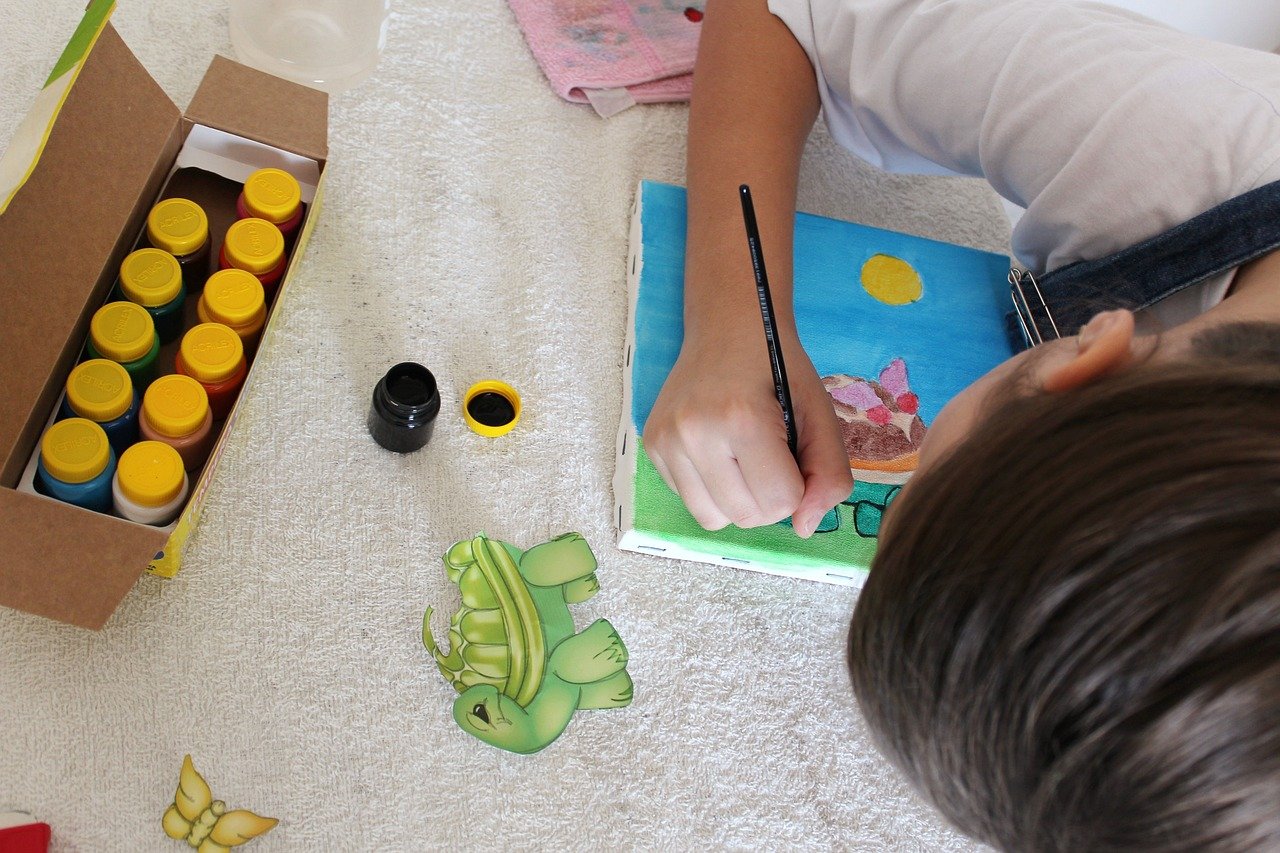
Parents play an essential role in their child’s early education. One effective way to support ECE is by creating a conducive home environment. This means providing educational resources, such as books, art supplies, and educational toys. Reading together and engaging in creative play can stimulate a child’s curiosity and desire to learn.
Furthermore, parents should consider enrolling their children in quality ECE programs. Researching local options and visiting potential schools can help parents determine the best fit for their child. Open communication with educators is also crucial. Regularly discussing a child’s progress and any concerns ensures that parents and teachers work collaboratively to support the child’s development.
Challenges in Early Childhood Education
Despite its many benefits, early childhood education faces several challenges. One major issue is funding. Many quality programs, especially those serving low-income families, struggle to maintain financial support. As a result, educators may be underpaid, leading to high turnover rates and inconsistent learning experiences for children.
Another challenge is ensuring access to quality programs for all children. Disparities exist based on geography, income, and resources. For instance, rural areas might have limited access to ECE centers, leaving children without essential early learning opportunities. Addressing these challenges is crucial for creating a more equitable educational landscape.
Future Trends in Early Childhood Education
As society evolves, so does early childhood education. One notable trend is the integration of technology. While screen time has its controversies, many educators find creative ways to incorporate technology into learning. For example, educational apps can enhance literacy skills, making learning interactive and fun. Financial Aid and Student Loans: Your Comprehensive Guide to Funding Education
Another trend is a focus on social-emotional learning (SEL). Programs are increasingly emphasizing the importance of emotional intelligence, helping children understand their feelings and those of others. This approach is vital in fostering empathy and resilience, skills that are more important than ever in today’s world.
Conclusion
Early childhood education is a foundational element in a child’s life. It shapes their cognitive, emotional, and social development, influencing their future success. By understanding the different types of programs available and the benefits they offer, parents can make informed choices about their children’s education. As we continue to address the challenges and embrace future trends, the importance of investing in early childhood education remains clear. Every child deserves a strong start, and by prioritizing ECE, we can help them build the skills they need to thrive.
FAQs
What age is considered early childhood?
Early childhood typically refers to the period from birth to age eight, covering crucial developmental stages.
How does early childhood education impact later academic achievement?
Research shows that children who attend quality ECE programs perform better in school and are more likely to graduate.
Can parents educate their children at home?
Yes, home-based education can be effective. Parents can integrate learning into everyday activities and provide stimulating resources.
What should I look for in an early childhood education program?
Look for programs that prioritize child development, have qualified staff, and offer a safe, nurturing environment.
Is early childhood education worth the investment?
Absolutely! Investing in ECE yields significant long-term benefits for children, families, and society.